
This post may contain affiliate links. For more information, read my disclosure policy.
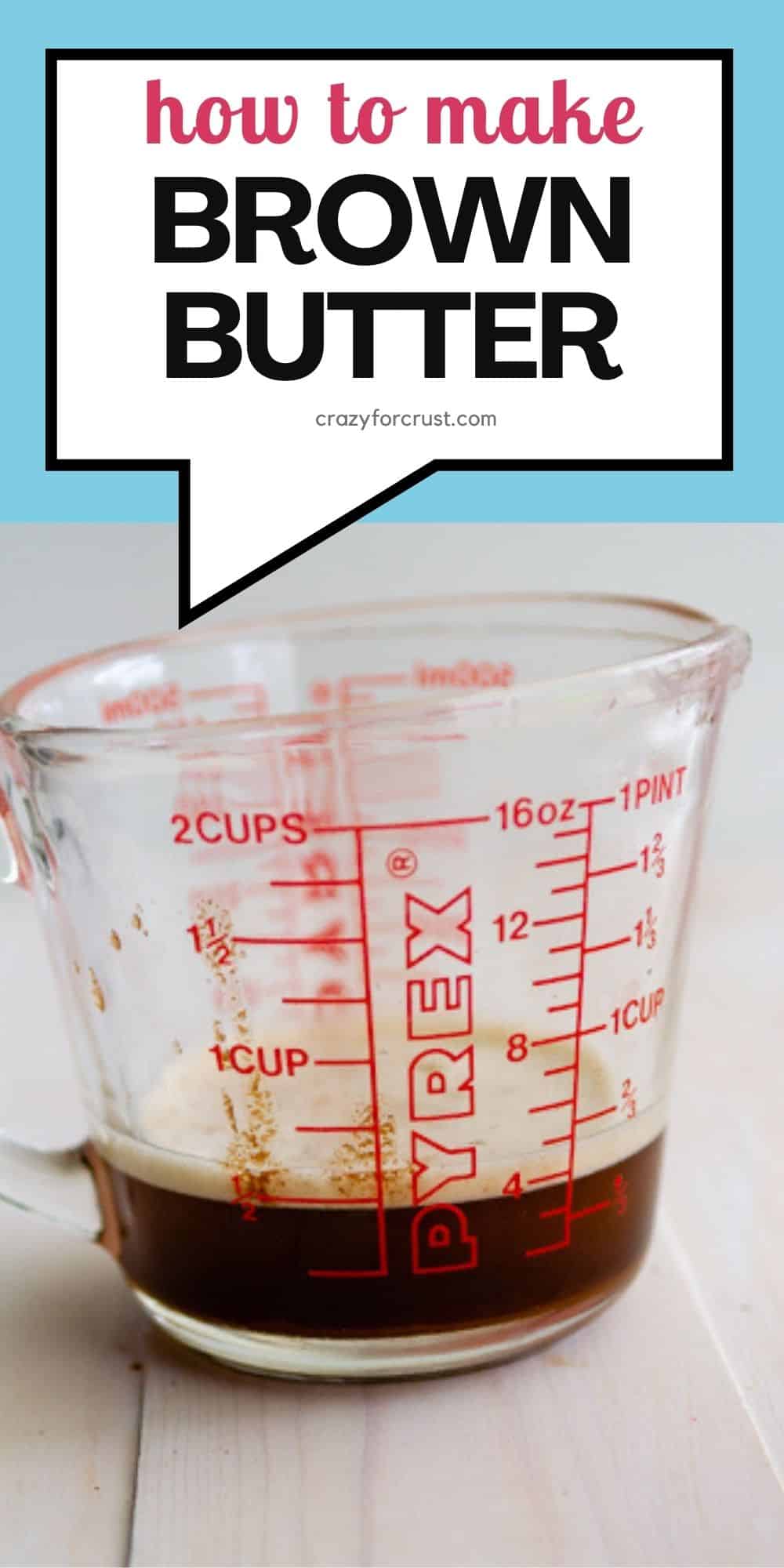
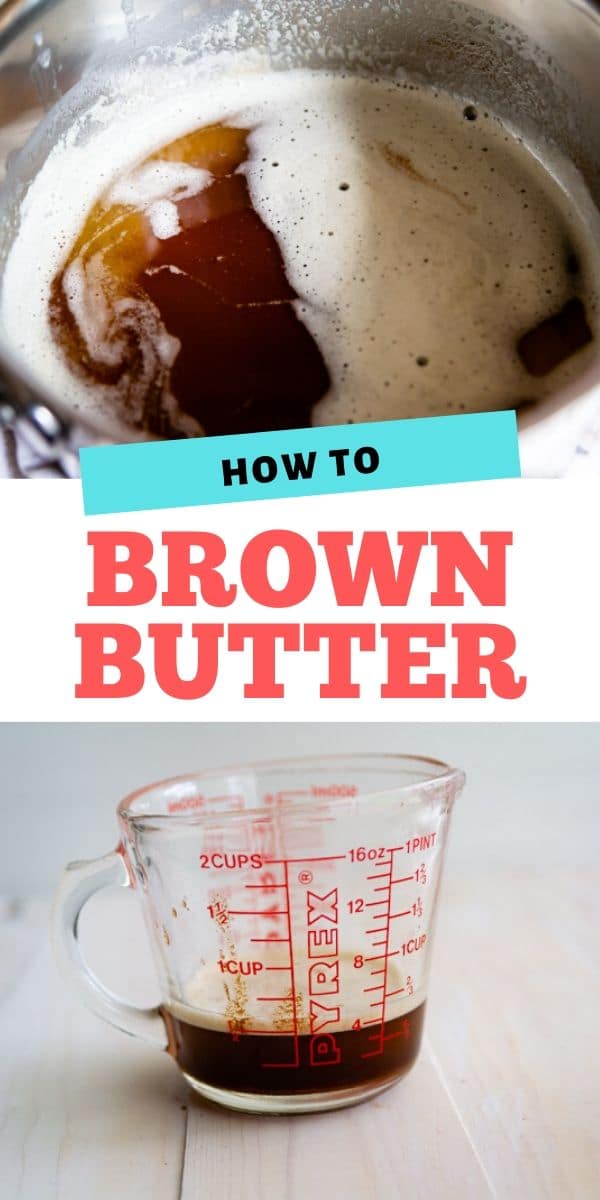
Learning how to make brown butter (also known as beurre noisette) is the easiest way to elevate your cooking and baking from basic to gourmet. With a deep, nutty aroma and toasted caramel flavor, brown butter transforms everything from chocolate chip cookies to simple pasta sauces. In just 10 minutes, you can turn a standard stick of butter into liquid gold!
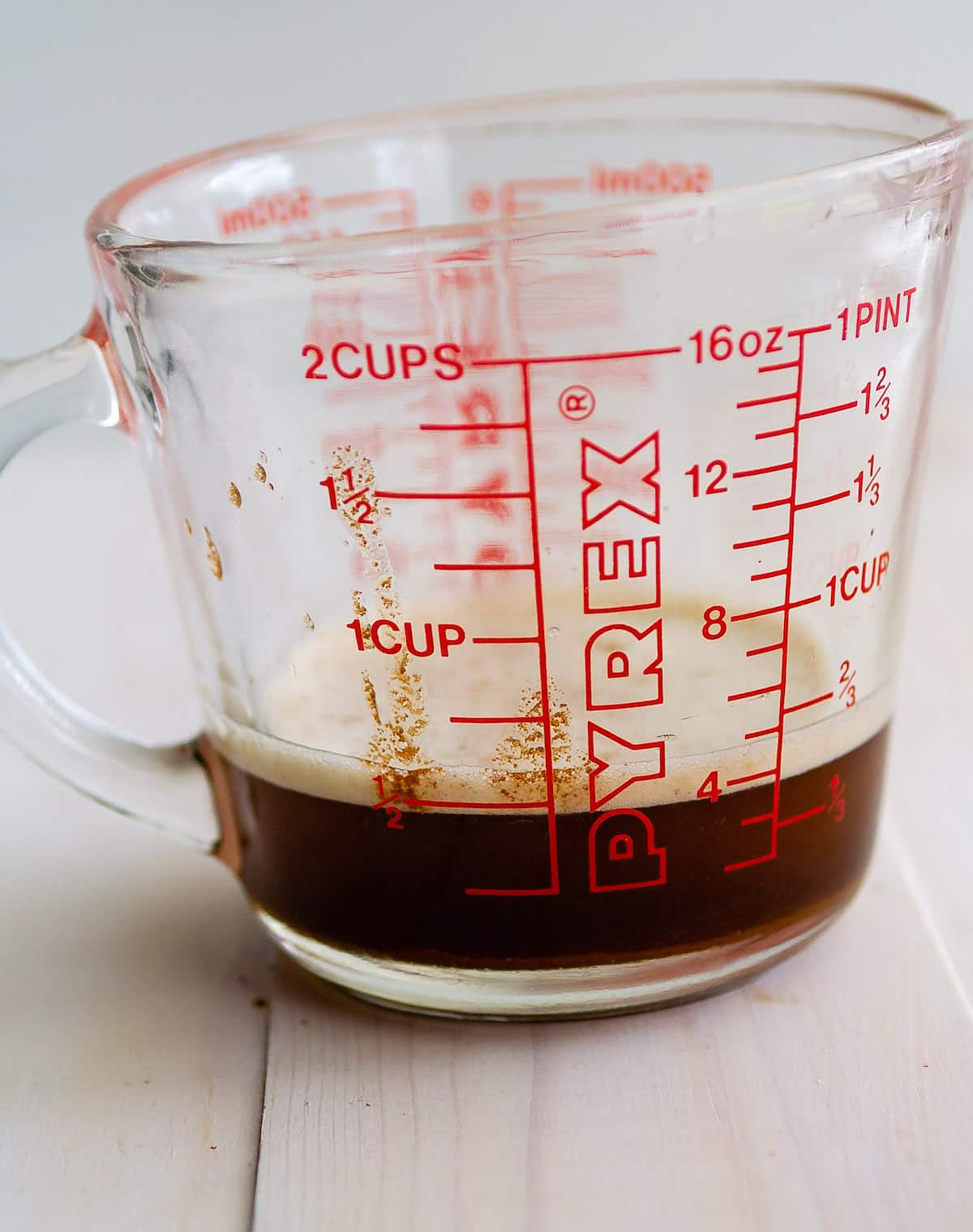
What is brown butter?
The first time I had this butter I was in awe. Cooking the butter until it’s brown gives it a nutty and rich flavor that regular butter just doesn’t have. Nope, brown butter isn’t just burned butter! I’ve used this in so many recipes – including one of my favorite chocolate chip cookie recipes – and it is such an easy ingredient.
The secret to the best brown butter isn’t just the heat; it’s the science of the Maillard Reaction. As the butter melts and the water evaporates, the milk solids begin to toast, creating complex flavor compounds that taste like hazelnuts and toasted brioche. In this guide, I’ll walk you through the four visual stages of browning so you can pull it off the heat at the exact moment of perfection (before it ever has a chance to burn!)
How do you make brown butter without burning it? Melt butter in a light-colored stainless steel pan over medium heat. Once melted, the butter will sizzle and foam as the water evaporates. As the foam subsides, watch for golden-brown specks (milk solids) at the bottom and a nutty aroma. Immediately remove from heat and pour into a cold bowl to stop the cooking process.
Best Butter for Brown Butter
The best kind of butter to use when browning butter is unsalted. Salted butter can ruin the flavor, if the salt gets too concentrated as it cooks. I highly recommend using unsalted butter, also called sweet cream butter. Also use a good quality butter.
SAVE THIS RECIPE
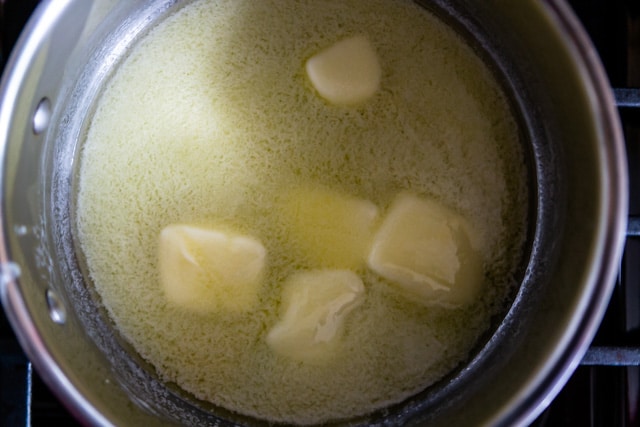
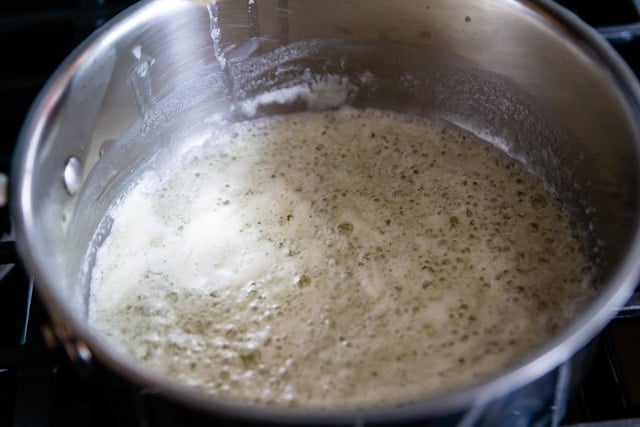
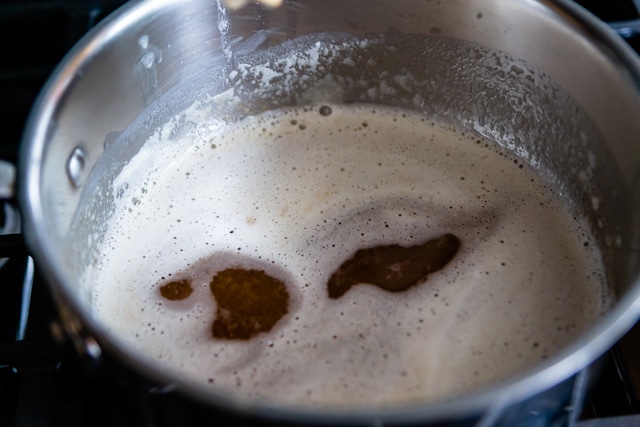
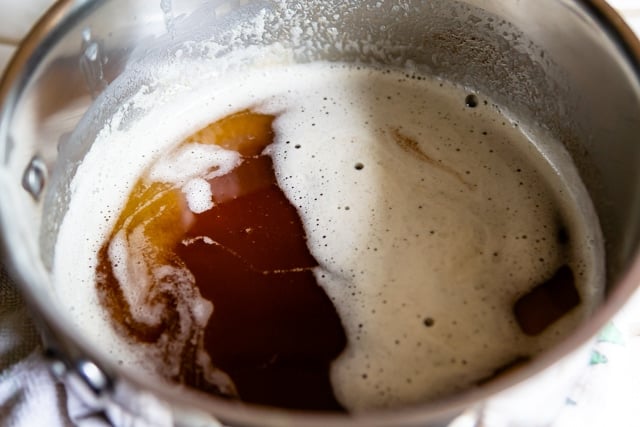
The 4 Stages of Brown Butter
- Melt the butter in a saucepan over medium heat. Let it melt slowly.
- Once the butter melts, it will start to boil and foam.
- You’ll be able to see below all the foam, that the butter is still yellow at first. As you cook it it will turn from a light yellow to darker yellow, then to light amber to golden brown.
- It will foam quite a bit during cooking, so be sure to continue stirring occasionally and not leave it alone. Once it gets to a nice dark amber color, it’s done cooking. Be careful – butter can go from amber to burnt VERY fast – so be sure and watch it. Once it turns brown, take it off the heat.
- Those little brown specks at the bottom of the pan are toasted milk solids, and they contain 90% of the flavor. Never strain them out! Always use a silicone spatula to scrape every bit of that silt into your recipe.
- If, by chance, you just lightly over-browned it (not burned), you can pour it through a coffee filter to remove the most bitter, burnt solids and save the flavored fat.
What do you use brown butter for?
When substituting brown butter for regular butter in a recipe that doesn’t explicitly call for it, you must add 1 tablespoon of liquid (water or milk) for every ½ cup (8 tbsp) of butter used. This replaces the moisture that evaporated during the browning process and prevents your cookies from turning out greasy or brittle.
- Spoon it over vegetables, pasta or meat – brown butter sauce is so flavorful!
- Mix it with chopped nuts and sage for a sauce for ravioli, pasta, or vegetables.
- I’ve used it with my garlic green beans recipe and it’s delish!
- Add it in place of butter in sauces like Alfredo.
Brown Butter recipes for baking:
- My favorite Brownies recipe
- Brown Butter Frosting goes great on cupcakes
- Chocolate Chip Cookies
- Pumpkin and brown butter go together in Pumpkin Cake

Expert Tips
- Start with room temperature butter if you remember – it melts faster. Cut the butter into small chunks before starting so that it melts evenly.
- Use a light-colored pan (stainless steel or white ceramic) to avoid burning.
- Use low to medium heat so the butter doesn’t cook too fast.
- Stir occasionally and don’t walk away from the stove! Butter goes from amber to burned fast – so keep an eye on it!
- It’s best to just brown your butter and use immediately in a sauce. I wouldn’t make a bunch and save it for a rainy day – it’s best fresh.
- The only time I chill it is when I’m making frosting – I want a solid butter when I make buttercream, so let it harden up in those cases.
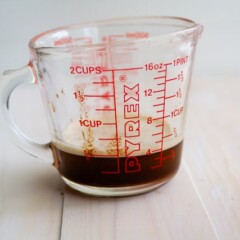
Brown Butter Recipe
Recipe Video
Ingredients
- ½ cup (113g) unsalted butter
Instructions
- Slice your butter into chunks or tablespoons. Place in a saucepan over medium-low heat.
- Melt the butter then cook, stirring often, until the butter browns. It will melt then boil, then foam and turn from yellow to golden to amber to brown. It will go from brown to burned fast, so be sure and watch it.
- Use immediately unless you're making frosting with it and need it to set. The milk fats in the butter will form little brown silt in the bottom, this is normal and that's the good stuff!
Recipe Notes
- Start with room temperature butter if you remember – it melts faster
- Use low to medium heat so the butter doesn’t cook too fast
- Cut the butter into small chunks before starting so that it melts evenly
- Stir occasionally and don’t walk away from the stove! Butter goes from brown to burned fast – so keep an eye on it!
- It’s best to just brown your butter and use immediately in a sauce. I wouldn’t make a bunch and save it for a rainy day – it’s best fresh.
Recipe Nutrition
FAQs
About 5-10 minutes depending on how much you’re browning and the size pan you’re using.
The flecks in the bottom of the butter will turn black as the butter starts to burn. It will become smokey and also smell rancid.
If your recipe calls for melted butter to start, just brown the butter as stated, then use it in the recipe. If the cookie recipe you’re using wants softened butter, allow the browned butter to cool completely – it will firm back up as it reaches room temperature.
Let the butter firm back up and then use it in your favorite frosting recipe – the flavor is unbelievable!
You can, but it’s risky. Salted butter foams significantly more, making it harder to see the milk solids browning. It also concentrates the salt as the water evaporates, which can make your final dish too salty.
You likely used a dark or non-stick pan and couldn’t see the color change. If it smells bitter or acrid, it’s burnt and must be tossed.
Always measure your butter after browning. Because of the water loss, 1 cup of butter will yield slightly less than 1 cup of brown butter.







I love using browned butter. With parmesan cheese, it made a great Spaghetti Squash side dish for Christmas one year. Something important you did not mention is that what is happening is you are boiling off all the water that is in the butter and there is a surprising amount. I have found using the various brands available in my grocery store, store brand and name brand, that when I brown two sticks (1 cup) of butter and pour the “finished product” into a measuring cup, I have 3/4 of a cup of melted butter. So, keep in mind that you are losing 25% of the volume of butter and it is all water. If you use salted butter, when you are pouring it off, by avoiding inclusion of the brown bits as much as possible, you will minimize the amount of salt carried over. When I used unsalted butter, I keep the brown bits and most people think I used vanilla paste or a vanilla bean.