
This post may contain affiliate links. For more information, read my disclosure policy.
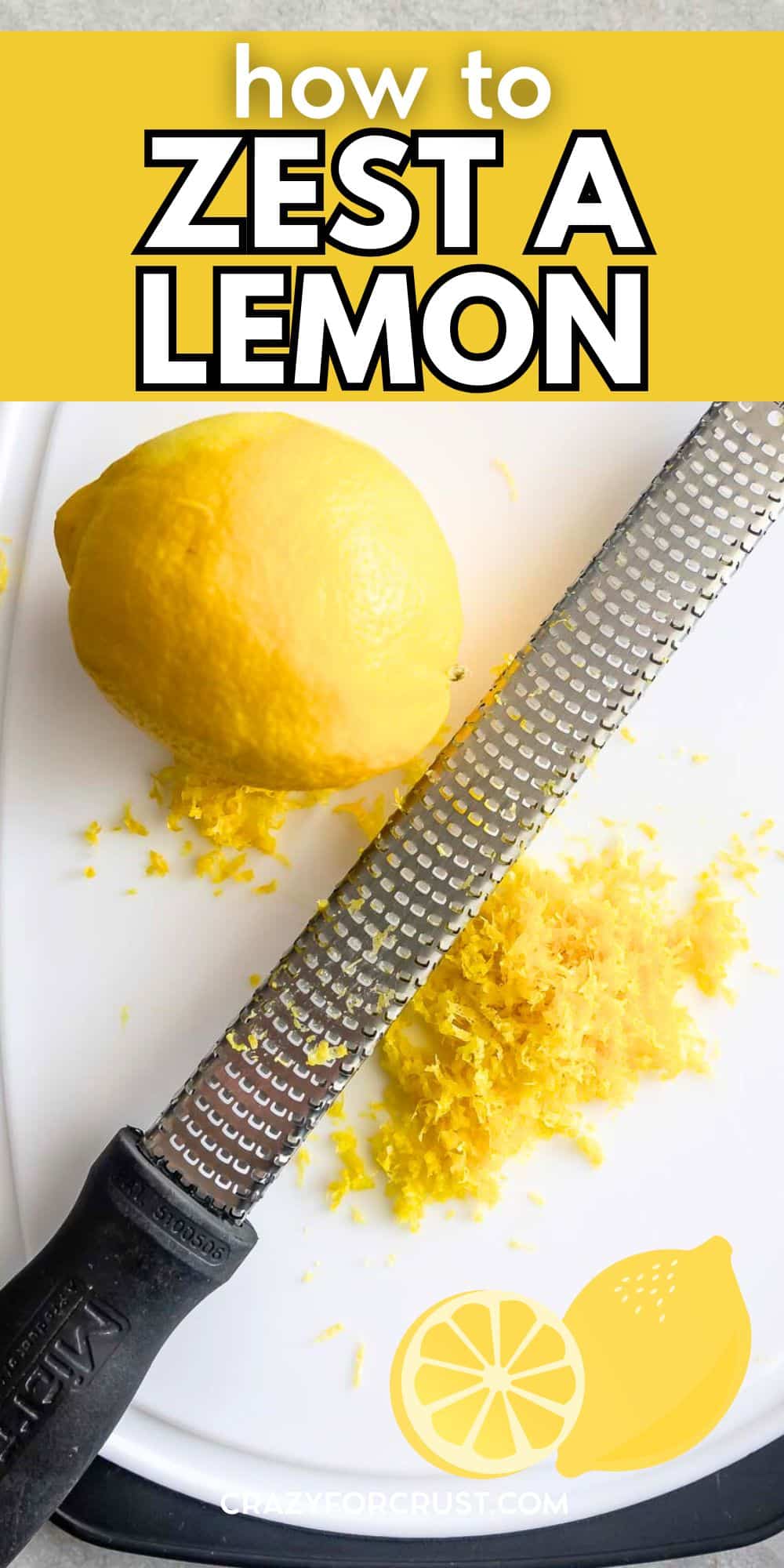
Learn all about how to zest a lemon or any citrus (limes and oranges too)! This easy technique is something you can do to add tons of flavor to any dish – it’s easy to do and makes a huge difference in any recipe!
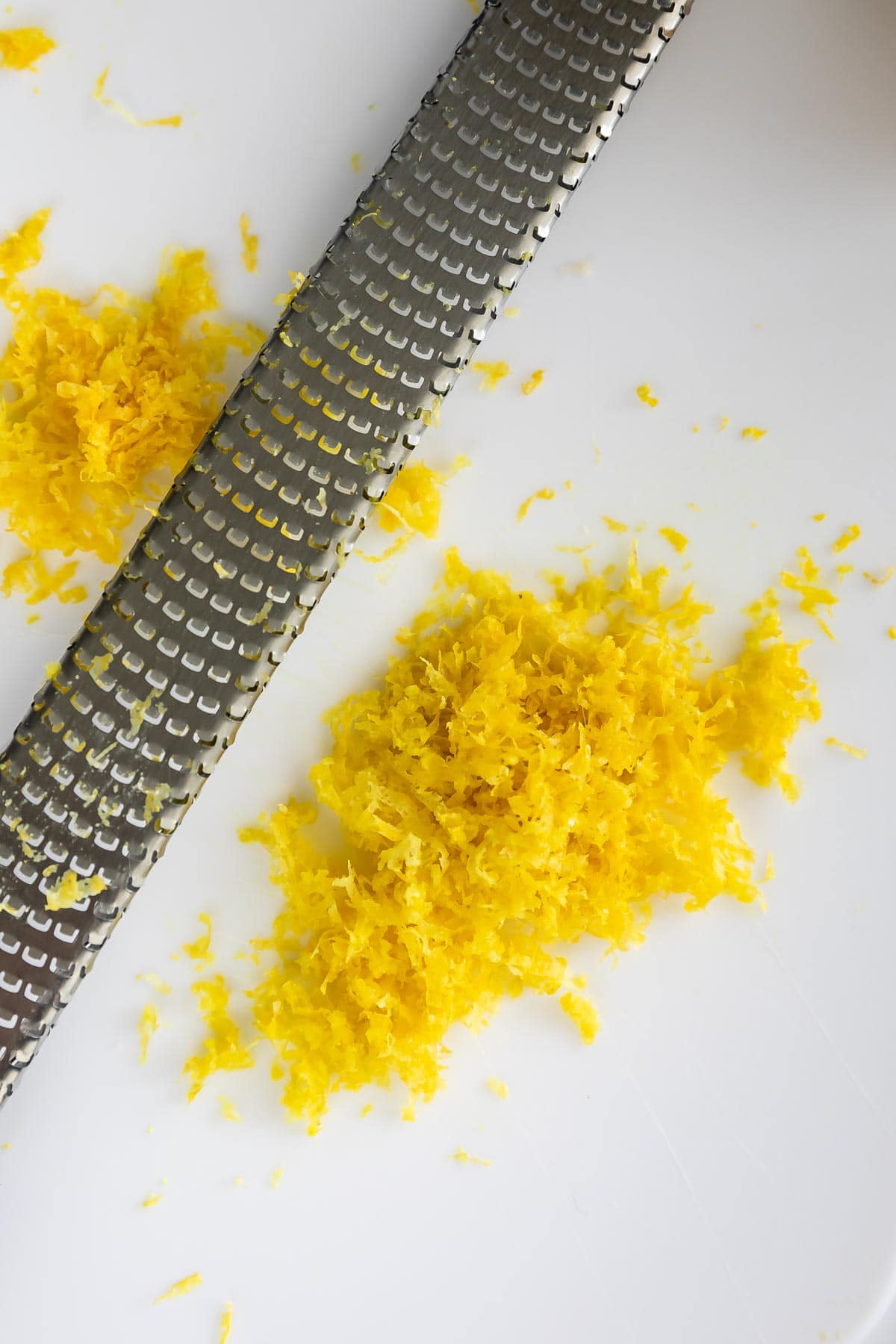
What is Lemon Zest?
Lemon zest is the yellow outer layer of the fruit. Similarly, lime zest is the green and orange zest is the orange outer layer.
Zest is where a ton of citrus flavor lives. In fact, recipes where you add zest will have more of the fruit flavor than if you just add juice. While lemon juice provides the sour, the zest provides the flavor. This is because the yellow skin contains tiny pockets of essential oils. When you zest a lemon, you are rupturing those pockets and releasing a concentrated citrus aroma that juice simply can’t match. This is why adding just one tablespoon of zest can make a cake taste more like lemon than a whole cup of juice.
Zesting Rule #1: Avoid the Pith
ONLY take off the colorful part (bright yellow, green, orange). Once you see the white part, stop. The most important rule of zesting is to stop the moment you see the white layer, known as the pith. Unlike the zest, which is sweet and fragrant, the pith is intensely bitter. If you accidentally grate the pith into your batter, it can leave an unpleasant, medicinal aftertaste in your finished recipe.
Zesting Rule #2: Zest then Juice
It’s almost impossible to safely zest a deflated lemon (once you’ve squeezed all the juice out). Be sure to zest first, then juice.
How to Zest a Lemon
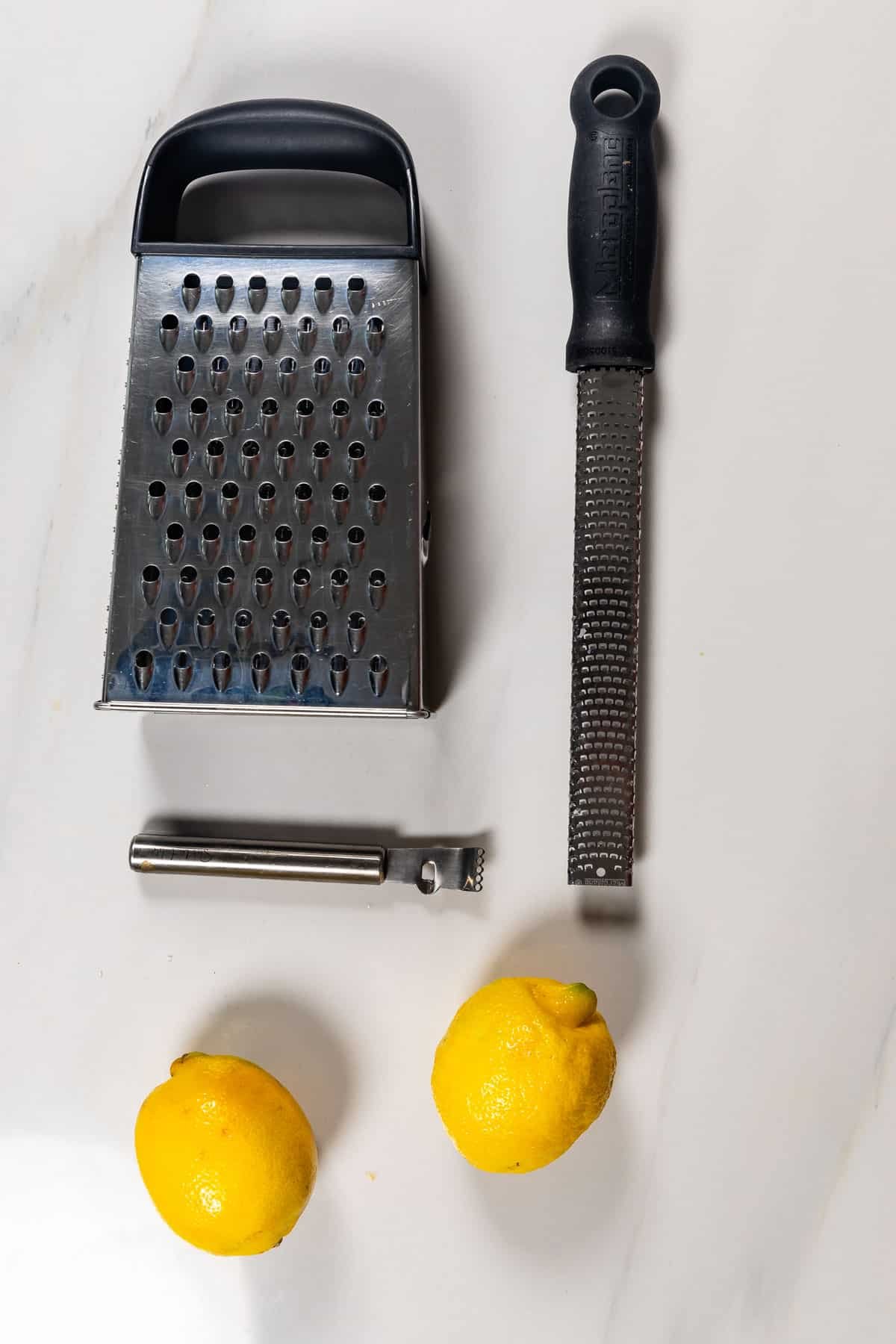
- Microplane – a microplane is the easiest and best way to zest. It’s a long skinny grater tool made for zesting. It’s easy to grip and easy to clean the zest off the other side. This is the perfect tool for zesting for everyday baking and my preferred method. (Get one at Walmart or Target)
- Box Grater – a regular box grater usually has 4 sizes of holes, one on each side. The smallest side of the cheese grater can be used to zest. The only problem with this is it’s hard to clean off and get all the zest into your recipe. Box Graters are perfect for zesting large batches of zest.
- Vegetable Peeler/Citrus Zester/A Knife – if you don’t have a microplane or box grater, you can use one of these tools. These will create long strips of lemon peel, great for garnishing cocktails and infusing liquids or sugar. Once you have your long pieces of peel, use a knife to mince it into zest for any recipe.
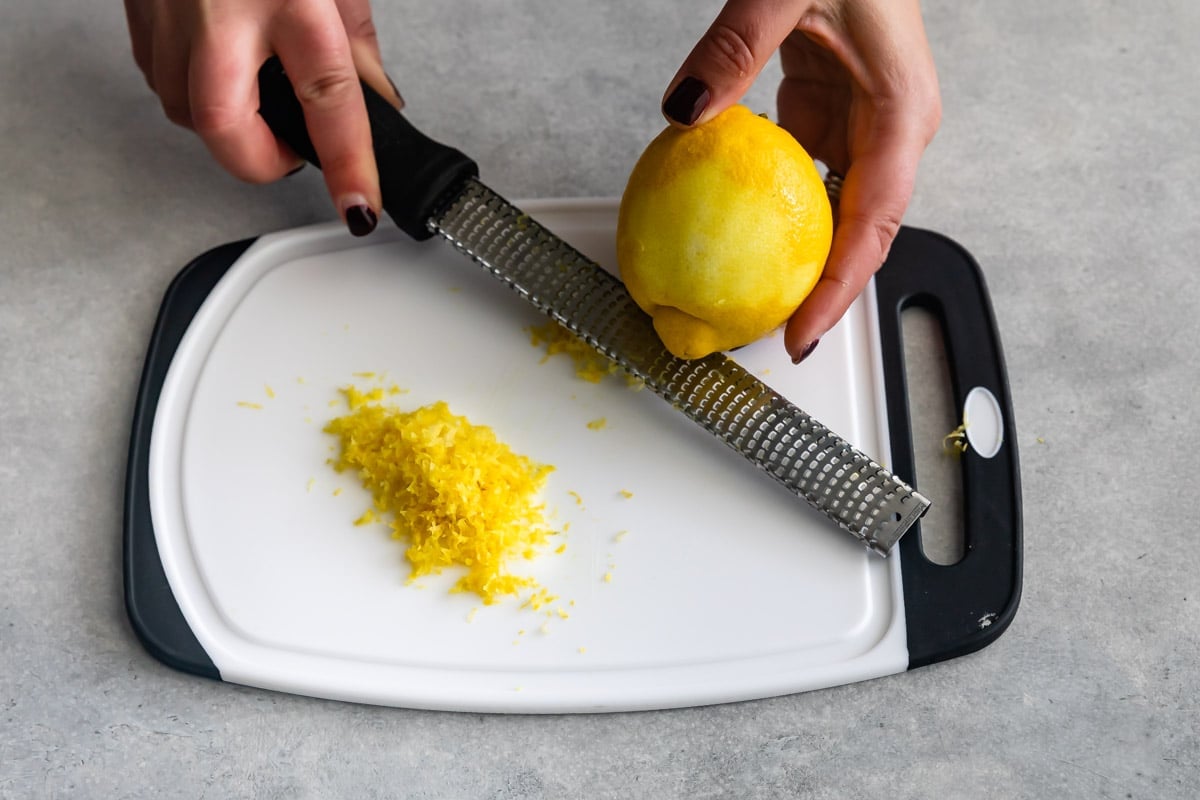
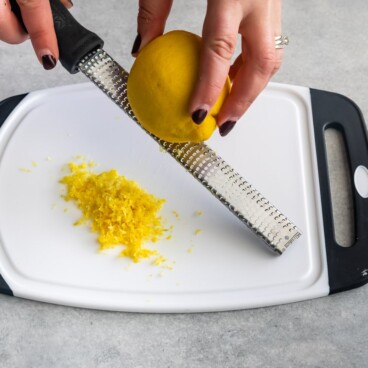
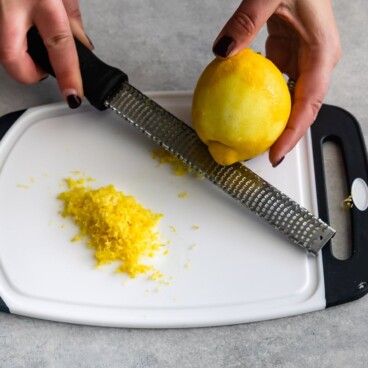
To zest with a microplane or a box grater, position your tool over a plate or cutting board, then run the lemon up and down over the surface, scraping off only the yellow skin.
SAVE THIS RECIPE
How to Store Zest
- Lemon zest doesn’t last very long at room temperature (it will dry out).
- You can put zest in an airtight container and store in the refrigerator up to 3 days before it dries out.
- Freeze lemon zest in an airtight container for several months.
- Make lemon ice cubes by filling ice cube trays with water and zest.
- Fill ice cube trays or Souper Cubes with lemon zest and freeze for future use.

Dorothy’s Expert Zesting Tips
- Be sure to wash your fruit before zesting: scrub your lemon with warm water to remove any wax or pesticides before zesting, as you’re eating the outermost skin.
- After zesting always scrape the back of the microplane or box grater with a finger or spatula, as that’s where 50% of the flavorful zest often hides.
- One medium lemon has about 1 tablespoon lemon zest (depending on the size of the lemon).
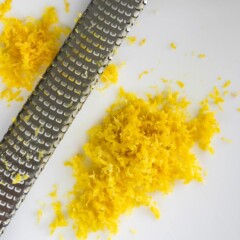
How to Zest a Lemon
Recipe Video
Equipment
- Microplane, Box Grater, Vegtable Peeler or Knife
Ingredients
- 1 medium lemon
Instructions
- Using a microplane or box grater: run the lemon over the sharp edges, peeling away only the yellow skin.

- Using a peeler or knife: run the tool over the skin, cutting away just the yellow part. Mince as needed for your recipe.
- Beware the white pith – stop zesting when you see white.
Recipe Nutrition
FAQs
Lemon zest is the colorful, outermost layer of the lemon skin that contains highly concentrated essential oils and flavor.
You can use the smallest holes on a box grater, a vegetable peeler, or even a sharp paring knife to carefully remove the yellow skin.
Yes! You can freeze zest in an airtight container for several months or freeze it in water inside ice cube trays for easy measuring later.
Not quite. Lemon zest is just the thin yellow layer, while the peel includes both the zest and the bitter white pith underneath.
Not quite. Lemon zest is just the thin yellow layer, while the peel includes both the zest and the bitter white pith underneath.

Key Lime Pie: the site shows portions of the ingredients, but does not indicate the amounts!
It does, if you go to the recipe card.
An easy trick to capitalize on the flavor of your zest, and it’s dispersion, is to use your hands to rub it into the granulated sugar called for in your recipe, even if you aren’t supposed to add it until the sugar and butter have been creamed together.
It was very helpful thank you
Thank you for this article! I have never thought of the important of a grater. I usually just go to the store and pick out the cheapest one. Now, after reading this makes me think more on the things I buy. Especially when it come to cooking utensil. I’ll have to look at my budget and see if I can improve my arsenal of kitchen tools based on your recommendations.
Featured In
Rate This Recipe
Recipe Ratings without Comment